
India is well-known for its skilled artisans. As you are all aware, our country’s art evolved over time. But do you know what keeps it going? The significance, quality, and manner in which they exemplify India’s rich culture and tradition.
On the other hand, machine-made goods have surpassed the demand for traditional handicrafts as a result of rising industrialization. As a result, many rural and small-scale artisans have lost their source of income. Rural artisans’ current cited estimates are always lower than the original, which may surprise you.
Traditional art and rural artisans in India must, without a doubt, be preserved. Rare Planet is committed to the upliftment of rural artisans. This Handicraft startup in India provides them with a source of income while also promoting their handicrafts.
Meet the Founders
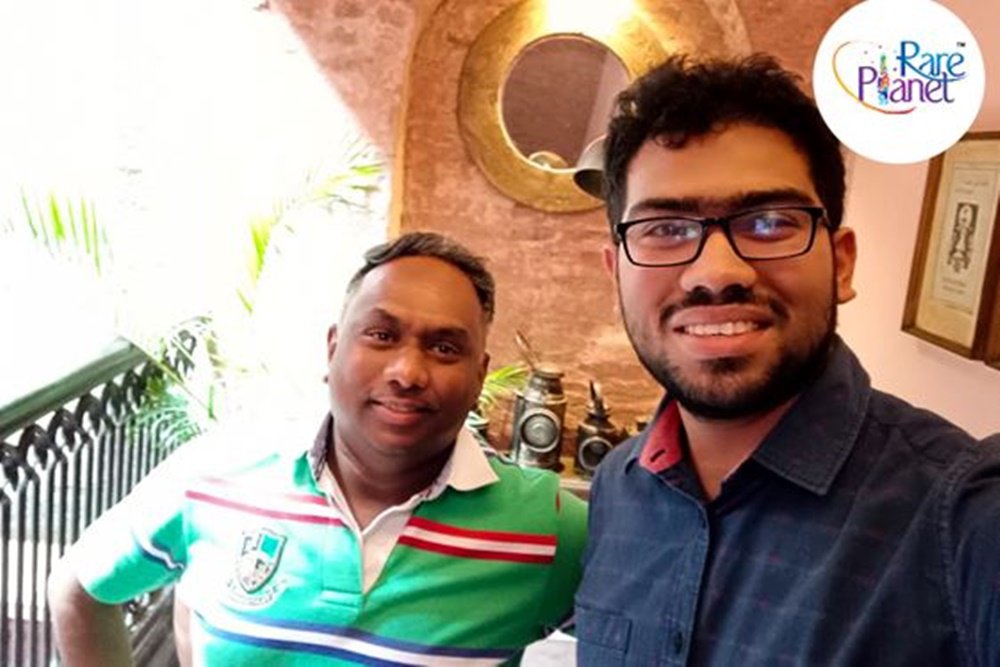
Rare Planet was formed in 2015 by Ranodeep Saha, an IIT Kolkata b.tech graduate. He’s a seasoned co-founder with a background in retail. He wants to turn a million karigars into Micro-Entrepreneurs with his firm.
Ranodeep is a good manager as well as an entrepreneur. With his years of retail and lifestyle experience, Vijay Kumar joined the company as a co-founder in 2019. He feels lucky to have been a co-founder of Rare Planet and witnessed its development.
The journey from Stall to Startup
Ranodeep was a huge supporter of Indian artisans and their societal influence. He had always wanted to carry on the Indian artisans’ tradition. As a result, as a first-year engineering student, he began Rare Planet from scratch.
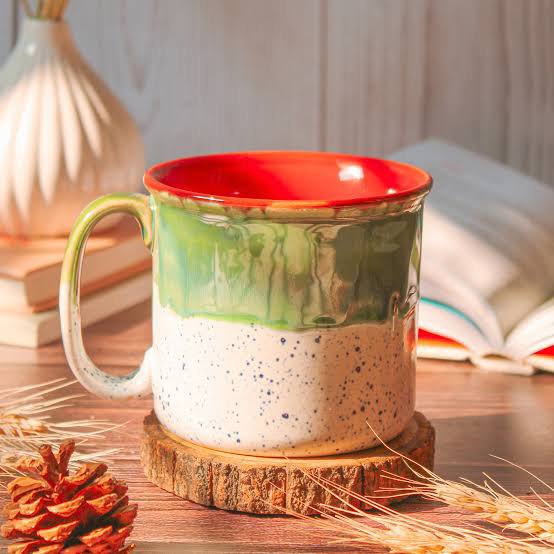
What began as a little stall at a school fair eventually evolved into a business. The company began by creating and selling terracotta-made kulhad (teacups) both offline and online. The teacups have a non-stick coating and may be used again and again.
Product Expansion
Rare Planet’s product line has expanded to include stationery, handicrafts, pottery, home decor, bottles, and jewelry. Terracotta, ceramic, copper, brass, marble, and wood are used to create these products. In addition, this handicraft startup in India focuses on Travel Retail.
Empowering Local Artisans in India
The startup aims to uplift and empower the diverse country’s local artisans and craftsmen. They mix the artisan’s talents with the design expertise of the NIIFT. As a result, the final artwork satisfies the aesthetic appeal of the existing traditional artifacts while also modifying them.
To begin, the startup’s internal team creates a list of the designed items. When they receive a product, they send it on to the artisans and craftsmen working on it. The artisans get paid after the order has been completed and collected.
Payments to artisans and craftsmen usually take three days. This ensures that it will be reinvested in the following product. Local artisans earn more money as a result of the adapted modern products. They wind up making 130-150 percent more in the end.
Rare Planet helps small artisans and craftspeople by arranging bank accounts for them. In addition, the company ensures their family. This fund is for the household’s oldest woman. As a result, this demonstrates the startup’s commitment to empowering traditional artisan communities.
Business Model
Rare Planet is the direct-to-consumer (D2C) brand. WH Smith, Crossword, SAPNA Books, and about 100 other stores have products accessible here. Customers can also purchase products via the company’s official website. The costs of logistics, artwork, and marketing determine the product’s price.
Recent Funding
In October 2020, this Indian handicraft startup raised Pre Series A funds from Uni-M Ventures and Venture Catalysts- India’s largest integrated incubator and accelerator. This funding validated the strength of the startup’s business proposition.
Ranodeep says, “We remain committed and create greater value for rural artisans. Moreover, we take indigenous Indian handicraft items to a much larger audience across the globe, keeping the profits growing quarter on the quarter”.
Ensuring Artisans Never Go Helpless
Rare Planet ensures that they can go the extra mile to meet the needs of the artisans to the fullest extent feasible, making it the best among Kolkata-based startup companies and one of the best startups in India. While the pandemic was still raging in 2020 around Diwali, the firm had the homes of its craftsmen decorated. This was a bold move in providing artisans with various forms of well-being support. Rare Planet ensures that the craftspeople at the heart of the business are never left alone. They started financial aid programs for artisan communities by providing loans and monetary incentives. Rare Planet has always been there for every karigar who has fallen ill or been contaminated with Covid.
A portion of the funding obtained in 2020 improved the working conditions of the artisans who create the products by hand.
Into the Future
Rare Planet has sold over 5 lakh units worth Rs 20 crore to date and has a presence in more than 100 locations across India. It hopes to employ over 25,000 artisans by 2022, with more states in India to be covered.
The founders of the firm hope that collaborating with artisans from Madhubani, Kutch, and Puri would result in more authentic products. Furthermore, the expansion will allow them to broaden their product offers.
Rare Planet currently sells through various channels, including e-commerce, retail stores, and tiny kiosks. Rare Planet also plans to expand its consumer base by partnering with more retail locations across India’s airports.
The US market has gained a lot of traction since they started delivering internationally. Rare Planet intends to grow its global footprint even further in the future.
Creating The Difference
Rare Planet purchases Indian handcrafted goods from local artisans and sells them in-store and online. As a result, the karigars’ products will be more valuable.
In a short period, this handicraft startup in India impacted the lives of local artisans throughout the country. With a clear vision, the company is attempting to expand its global footprint.
Rare Planet has exceeded all expectations since 2015, and there is still plenty of space for growth and expansion. This is a big stride forward in the globalization of Indian handicrafts.

 Kirti
Kirti 
Leave a comment